

Mechanical seals were designed to replace packings or stuffings, they provide great competitive advantages such as practically no leaks, friction reduction that avoids shaft wear and the consequent loss of power, reduction in maintenance times and costs. , and the possibility of working at high pressures.
To select the appropriate mechanical seal, it is necessary to know the operating conditions of the application to be sealed: the diameter and speed of rotation of the shaft, the dimensions of the seal housing, the physical characteristics of the fluid to be sealed, to determine the chemical compatibility, the existence of abrasive solids in suspension or the lubrication that it will allow, and the working temperature and pressure.
The different industrial sectors are subject to increasingly demanding regulations. It is very important to avoid contamination of the processed products, to guarantee the safety of the equipment as well as the people who work in the facilities. With this objective, materials are used that comply with the different regulations of the sector.
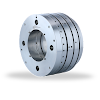
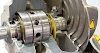
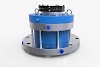
Mechanical seals or seals are sealing elements located between the rotating shaft and the fixed part of rotating devices that work with fluids. Its most common application is in pumps.
In mechanical seals, dynamic sealing is achieved thanks to a thin film of fluid that remains between the two lapped friction faces, and prevents the passage of the rest of the fluid. In addition, this film performs the functions of a lubricant and reduces wear between the faces.

0 Comments